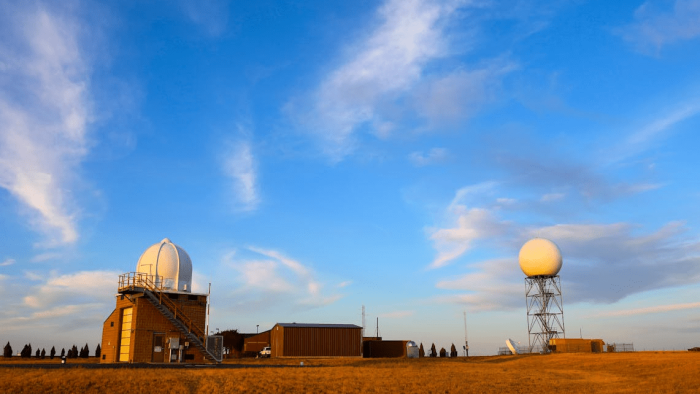
Weather Radar Station in Field under Clear Sky.
Why Weather Measurement Matters Today
Weather affects our daily lives in countless ways, whether we’re planning a commute, preparing a farm for planting, or managing city infrastructure. But behind every reliable forecast, storm warning, and seasonal shift is one thing: accurate weather measurement.
Over the past centuries, understanding and tracking the weather has evolved from simple sky-watching to systematic observation using sensors, instruments, and technologies to track short-term changes and long-term trends. And in a world increasingly impacted by climate extremes, measuring our weather has never been more critical.
Why Weather Measurement Matters Today
In today’s fast-changing climate, having access to accurate weather data is essential for everyone from governments and farmers to healthcare providers and everyday citizens.
Agriculture
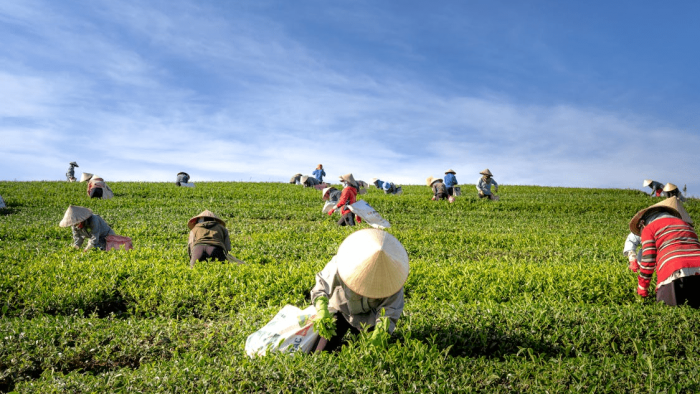
Laborers harvesting on a farmland.
Farmers depend on temperature, rainfall, and wind data to plan planting and harvesting, maximise water use, and prevent crop losses.
Public Health

Weather influences disease spread, heat waves, air quality, and respiratory conditions. Accurate monitoring enables early interventions and public health alerts.
Urban Planning
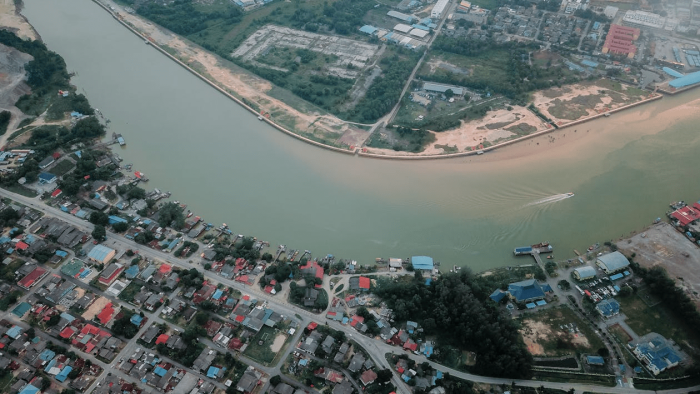
Aerial view of river and urban area.
Cities use weather data to design smarter drainage systems, cool buildings more efficiently, and prepare for floods or heatwaves.
Energy Management
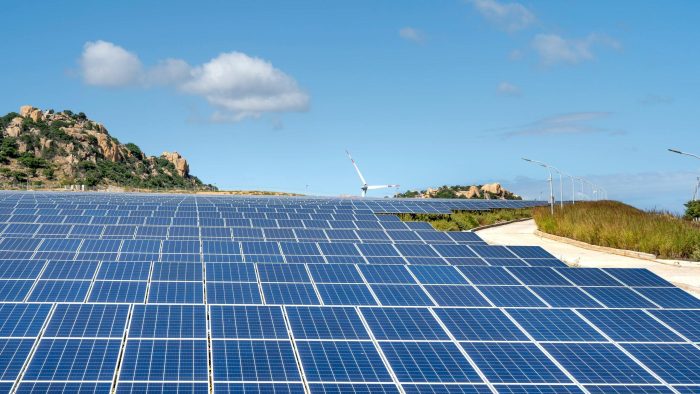
Solar and wind power systems rely on real-time weather data for efficient energy production and grid balancing.
Disaster Preparedness
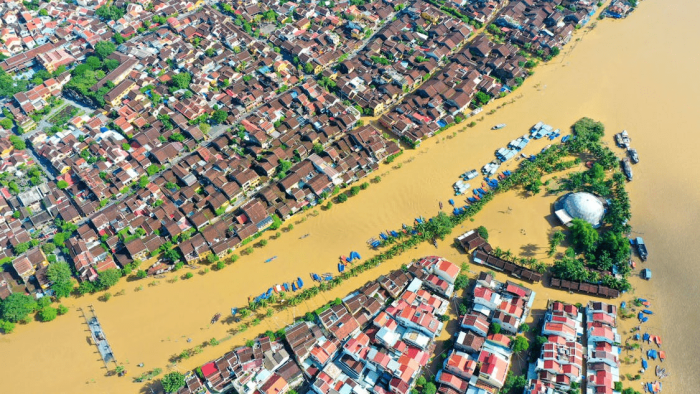
Whether it’s a flash flood, wildfire, or storm, timely and localised weather information helps protect lives and property.
The Rise of Smart, Local Weather Monitoring
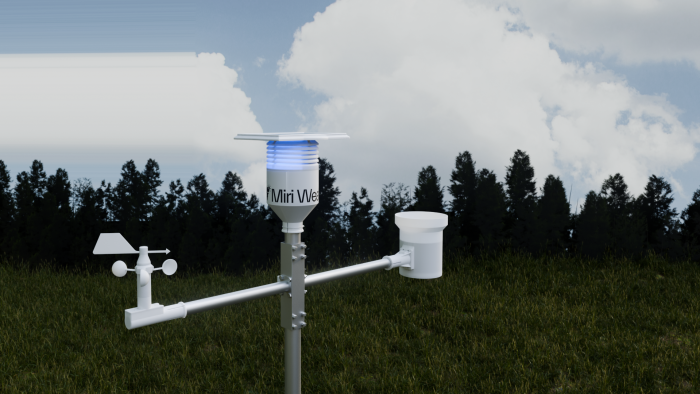
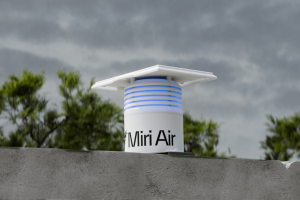
Miri Weather Station
While national and global meteorological agencies play a critical role, today’s technology makes it possible to bring precise, local weather monitoring into neighborhoods, farms, businesses, and schools. Modern devices use laser-based sensors, wireless connectivity, and cloud-based platforms to deliver real-time data. These compact weather stations can track:
- Temperature and humidity
- Rainfall intensity
- Wind speed and direction
- Air pressure
- Particulate matter (PM2.5, PM10)
UV and solar radiation
This democratisation of weather monitoring gives individuals, communities, and organizations the tools they need to make informed, climate-smart decisions.
A Future That Depends on Weather Data
As climate change accelerates, our need for accurate, real-time weather data will only grow. Reliable weather monitoring enables early warning systems, smarter land use, climate adaptation strategies, and more resilient communities. At its core, measuring the weather is about measuring change and giving ourselves the power to respond.
CONCLUSION
From handwritten temperature logs in the 1700s to satellite-fed, AI-powered forecasts today, the science of weather measurement has come a long way. And yet, its purpose remains the same: to help us understand our environment and prepare for what’s ahead.
Whether you’re a grower, a city manager, a teacher, or simply someone who wants to know if it’s going to rain tomorrow, accurate weather monitoring matters. And the more we invest in it, the better equipped we’ll be to face whatever the skies bring next.